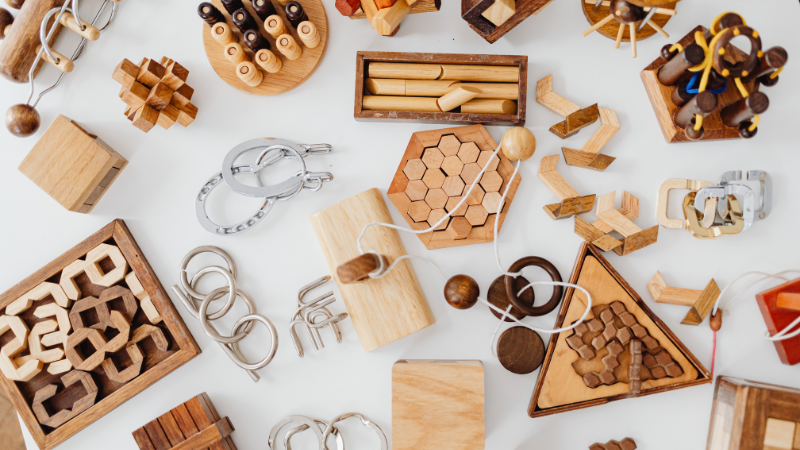
Choosing the right age-appropriate toys in 2026 isn’t just about checking a “3+” label on a box. As a parent, you’ve likely seen the “toy graveyard” in your living room—expensive gadgets played with once and forgotten. The secret to a better playroom lies in developmental milestones and open-ended play. By selecting toys that adapt to your child’s growing brain, you’re not just buying a plaything; you’re investing in a tool that evolves from a teether to a building block to a storytelling prop.

Understanding Developmental Milestones in 2026
In the fast-paced world of 2026, we’re seeing a massive shift back to “Slow Play.” While digital distractions are everywhere, the core developmental milestones of childhood remain the same.
0–18 Months: Sensory Exploration and Fine Motor Skills
At this stage, your baby is a little scientist. They explore through touch, taste, and sound. Look for toys that offer high contrast and varied textures.
- The “Grow-With-Me” Pick: Soft silicone stacking rings.
- How it evolves: At 6 months, it’s a chew toy for teething. By 14 months, it’s a tool for practicing fine motor skills and spatial awareness.
2–4 Years: The Explosion of Imaginative Play
This is the golden age of “Pretend.” A cardboard box becomes a castle; a wooden spoon becomes a magic wand.
- The “Grow-With-Me” Pick: Modular play kitchens or high-end open-ended play sets.
- Why it works: These toys foster social interaction and language development as kids “cook” for their parents or peers.
The “Cost-Per-Play” Analysis: Why Longevity Matters
Let’s talk numbers. A $20 plastic “action” toy with one button usually has a “play-life” of about 5 hours. That’s $4/hour. A $60 set of magnetic tiles or designer art toys might be played with for 300+ hours over three years.
| Toy Type | Initial Cost | Avg. Years of Use | Play Value |
| Single-Function Electronic | $25 | 0.5 Years | Low (Passive) |
| Open-Ended Blocks | $50 | 5+ Years | High (Active) |
| Interactive STEM Kits | $40 | 2 Years | Medium |
Safety Standards and Eco-Trends in 2026
Safety is no longer just about “no small parts.” In 2026, parents are rightfully obsessed with material transparency. According to the latest Toy Association Safety Education updates, non-toxic, sustainable materials like bio-plastics and FSC-certified wood are now the industry gold standard for age-appropriate toys.
At Toizora, we vet every piece for:
- Chemical-free finishes: No lead, no phthalates.
- Durability: Can it survive a drop from a high chair?
- Multigenerational Appeal: Is it beautiful enough to keep on the shelf for the next sibling?
FAQ: Common Questions on Toy Longevity
Q: My child is 3, but the toy says 5+. Is it okay? A: Age labels are primarily for safety (choking hazards). If your child has the fine motor skills to handle the pieces and you are supervising, “playing up” can be a great challenge. However, never ignore “3-” warnings if the toy contains small magnets or batteries.
Q: How do I rotate toys to keep them “fresh”? A: Use the “Out of Sight, Out of Mind” rule. Keep only 20% of their toys accessible. Every two weeks, swap them out. This makes “old” toys feel brand new and prevents sensory overload.
Closing Thoughts: Build a Legacy, Not a Mess
The best age-appropriate toys are the ones that don’t tell the child how to play, but ask the child what they want to create. Whether you’re eyeing a limited-edition art piece or a classic set of magnets, choose the toy that has room for your child’s imagination to grow.